Find the right shipping container, without calling around.
Tell us the size, condition and ZIP. We send your request to independent container suppliers who deliver there, and they come back with prices.
How it works
- Tell us what you needSize, condition, buy or rent, and where it's going. Takes about a minute.
- We pass it to local suppliersYour request goes to container dealers that deliver to your ZIP.
- Compare and pickThey reach out with pricing and delivery details. You choose, or walk away. No cost to you either way.
Container sizes
Five common lengths. Most people end up with a 20 or a 40, but it's worth knowing the options.
10 ft
About 10' × 8' × 8'6". Short and easy to place. Handy where space is tight, like a small yard or behind a shop.
20 ft
About 20' × 8' × 8'6". The most common pick for home storage, small job sites and moves.
40 ft
About 40' × 8' × 8'6". Twice the floor of a 20, for equipment, inventory or bigger cleanouts.
40 ft high cube
About 40' × 8' × 9'6". The extra foot helps with tall gear, racking, or conversion builds.
45 ft high cube
About 45' × 8' × 9'6". Less common, and needs a lot of room to deliver. Worth asking about if you need maximum space.
Sizes are external and approximate. Ask your supplier for exact interior dimensions and door opening size.
Condition grades, explained

Used containers aren't all the same. These are the terms you'll see on quotes.
Every container starts out shipping cargo. How many trips it has made, and how it was treated, decides the grade you'll see on a quote.
New / one-trip
Shipped once, usually from the factory overseas. Clean paint, minimal dents. The pick for anything visible, or a conversion.
Cargo-worthy (CW)
Used, but still sound enough to be shipped again. Expect dents, surface rust and faded paint, with a solid structure.
Wind & water tight (WWT)
Keeps rain and wind out, but shows its age. Fine for storage where looks don't matter, and usually the cheapest option.
As-is
Sold with known damage. Can make sense for parts, a chicken coop, or a project. Look at it, or photos, before you commit.
Buy or rent?
| Buy | Rent | |
|---|---|---|
| Best for | Long-term or permanent use | Short projects, moves, renovations |
| Upfront cost | Higher, paid once | Lower, paid monthly |
| Modifications | Do what you want with it | Usually limited or not allowed |
| When you're done | Keep it, move it, or resell it | Supplier picks it up |
| Delivery & pickup | Delivery charge once | Often charged both ways |
Not sure? Choose "Not sure yet" on the form and ask for both. Comparing the two quotes side by side usually makes the answer obvious.
How delivery works
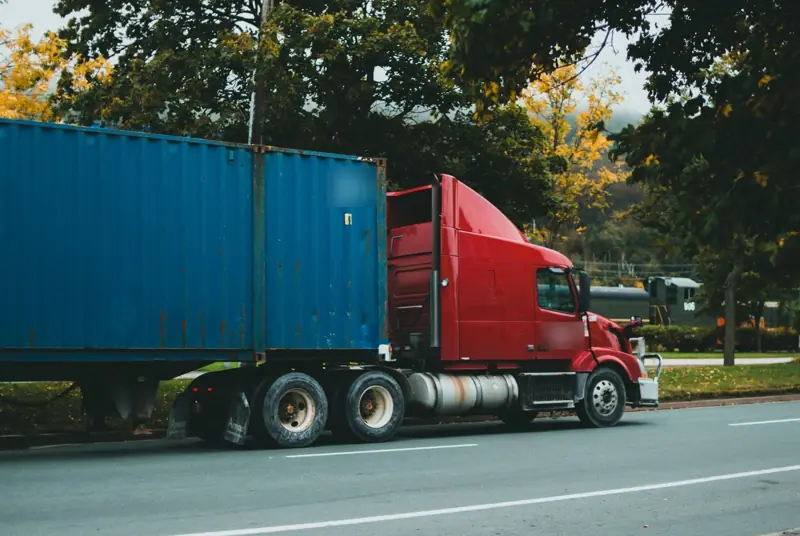
Most delivery problems come down to site access. A little planning saves a second trip.
Most single containers arrive on a tilt-bed or a flatbed. Your supplier will tell you which truck they're sending and how much room it needs.
Tilt-bed (roll-off)
The trailer tilts and the container slides off onto the ground. No crane or forklift needed on your end. This is how most single containers get delivered.
Flatbed
The container rides flat and has to be lifted off, by your forklift, a crane, or a truck with a lift. Useful when a tilt-bed can't fit.
Site prep
Pick ground that's firm, level and dry. Gravel, concrete pads or railroad ties under the corners help keep doors working and the floor off the dirt.
Clearance
Tilt-bed delivery needs a long, straight run for the truck to back in and pull out from under the box, plus overhead room with no wires or branches. Ask your supplier for their exact numbers before delivery day.
Popular modifications
Roll-up & man doors
Walk in without swinging open the big cargo doors.
Windows
Light and air for an office, workshop or studio.
Shelving & racking
Turn an empty box into organized storage.
Vents
Cut down on condensation and stale air.
Lock boxes
A steel shroud over the padlock to make cutting it much harder.
Paint, insulation & power
Ask suppliers what they offer. Options vary a lot from one to the next.
What people use them for
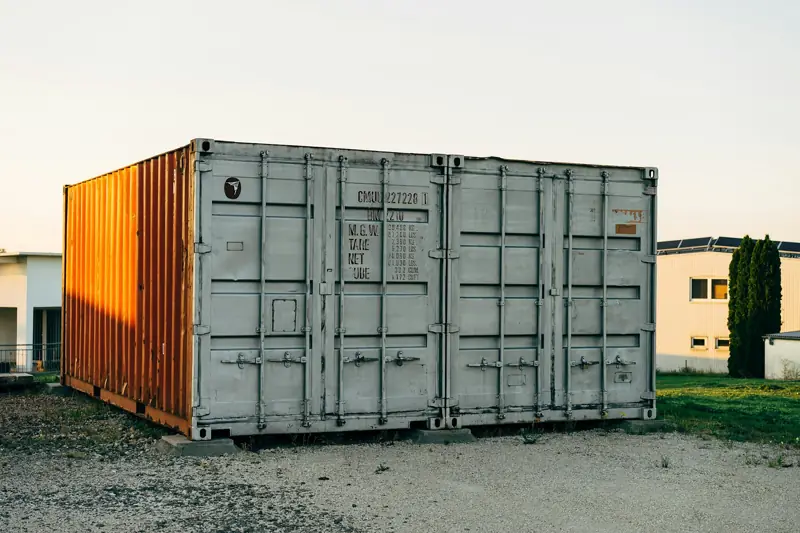
Set one down on gravel or a few pads, add a good lock, and you have dry, secure space that stays put as long as you need it.
Home storage
Garage overflow, seasonal gear, or a place to put everything during a remodel.
Job sites
Lock up tools and materials overnight and keep them on site for the whole build.
Farms & ranches
Feed, tack and equipment kept dry and out of reach of rodents.
Businesses
Overflow inventory, records or fixtures behind the store.
Moving
Load at your pace, then have it hauled or stored.
Builds & workshops
A strong starting shell for a shop, studio or cabin project.
What affects the price
We won't guess at a number here. Prices depend on these, and that's why local quotes matter.
Size
Bigger units cost more, but not always in proportion.
Condition
One-trip costs the most, WWT and as-is the least.
Your location
Supply and demand change a lot from region to region.
Delivery distance
Further from the depot usually means a higher delivery fee.
Buy vs rent term
Rental rates often depend on how long you keep it.
Modifications
Doors, vents, shelving and paint all add to the total.
Market timing
Prices move with global shipping demand.
Site access
Hard-to-reach sites can need a different truck.
Guides
Buying a container →
What to check before you buy, new or used.
Renting a container →
How rentals work and what to ask.
Size guide →
Dimensions and what fits in each size.
Condition grades →
One-trip, cargo-worthy, WWT and as-is.
Delivery & site prep →
Truck types, clearance and ground prep.
What affects price →
The factors behind every quote.
Modifications →
Doors, vents, shelving and more.
Uses →
Home, job site, farm, backyard and business.
By state →
Climate, access and permit notes by state.
Ready for real prices?
Send one short request and let suppliers who deliver to your ZIP come back with quotes. It's free, and you're under no obligation.
Frequently asked questions
Is it free to request quotes?
Yes. There's no charge to you and no obligation to buy or rent.
Do you sell containers?
No. We connect buyers and renters with independent container suppliers. They quote you, and you deal with them directly.
Who will contact me?
Suppliers that deliver to your ZIP and carry what you asked for. We only share your request with suppliers for the purpose of quoting it.
How fast can I get a container?
It depends on local stock and the supplier's truck schedule. Put your timeframe on the form so suppliers know what you need.
What size should I get?
For household items or a small job, a 20 ft usually works. For equipment, a lot of inventory, or anything tall, look at a 40 ft or 40 ft high cube.
Can I see a used container before buying?
Many suppliers let you visit the yard or will send photos of the actual unit. It's worth asking, especially for used and as-is containers.
Do I need a permit?
Some cities, counties and HOAs have rules about containers on a property. Check with your local building or zoning office before delivery.
Will a container rust or leak?
Containers are built from weathering steel and made to live outdoors. Used units can have surface rust. A level base and some airflow go a long way.
Can I move it later?
Yes. A supplier or a hauler with a tilt-bed truck can pick it up and drop it somewhere else. Expect a separate delivery charge.